
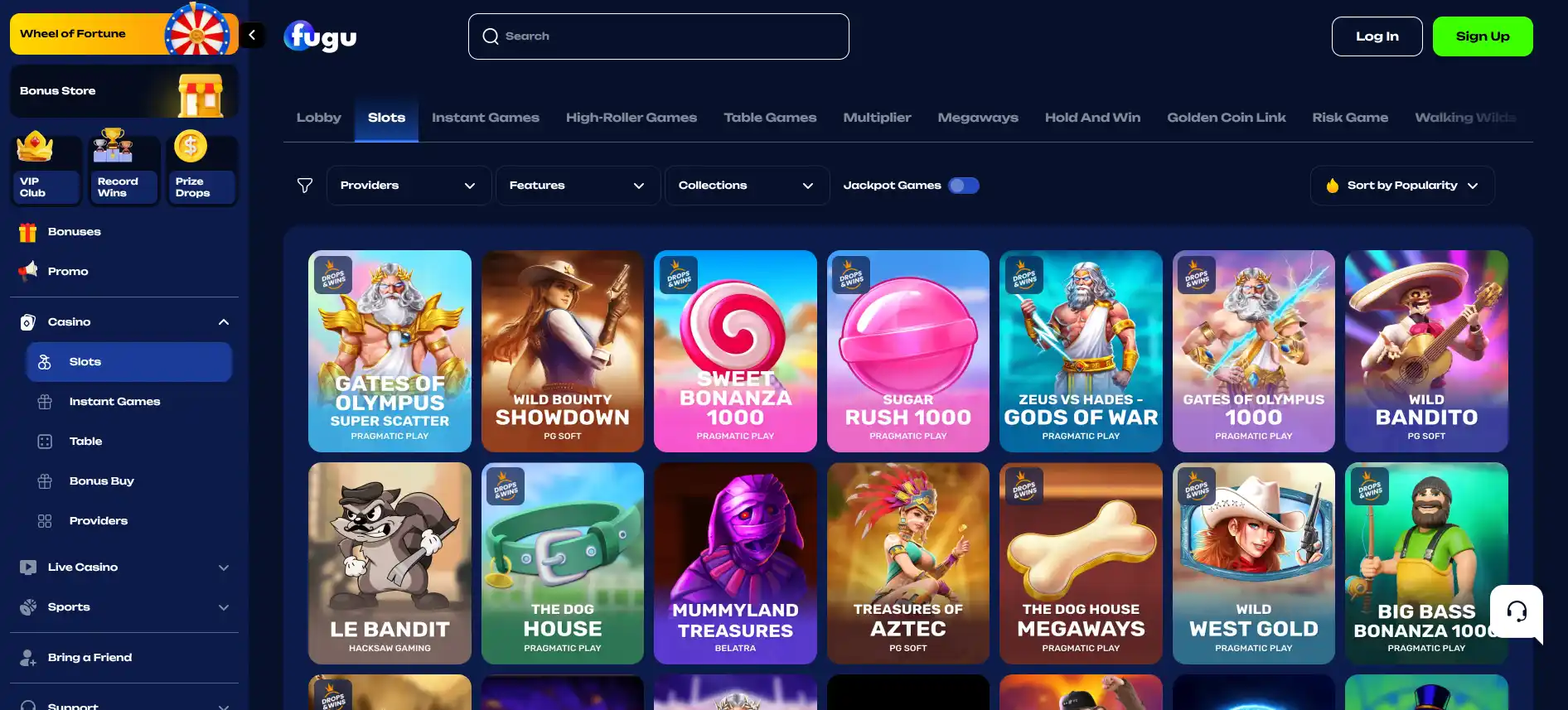
In my time reviewing online casinos, the platforms that endure are the ones that listen. Most of the time, the interaction runs one way: the casino issues promotions and updates, and players decide on them. Fugu Casino is trying something unique. Their new “Feedback Program,” built specifically for Australian players, is not just a marketing stunt. It’s a systematic attempt to channel player opinions straight into their development plans. Let’s analyze how this program might operate, what it could signify for the typical player, and why Fugu is taking this gamble now. This is about determining if player partnership can actually change a platform, going beyond words to real functions and solutions.
Decoding the Feedback Program: More Than a Survey
Every casino requests feedback. What distinguishes Fugu’s approach different is its goal to be systematic. Usually, feedback is an afterthought—a quick survey after a support chat, or a form buried in a help section. This program sounds proactive. It wants structured thoughts on particular parts of the casino before the final decisions are confirmed. Consider it as a digital player advisory board. The proof, certainly, will be in the way they run it. How will they obtain opinions? How candid will they be about the process? And most crucially, will they actually do anything with whatever they hear? The program’s success depends on showing action, not just gathering data. For players who value the details, this is a chance to see how a casino selects its games, designs bonuses, and develops new features. It converts a user from a customer into a contributor.
The Proposed Channels for Voice
Detailed details aren’t out yet, but programs that succeed usually combine a few methods. We can expect a blend of number-crunching surveys and direct conversation. Instant, in-app polls might appear after you withdraw or try a new game maker, seeking a rating on that particular experience. For more detailed insights, Fugu might run focus groups or request longer written comments on planned changes. A specific area in your account, distinct from customer support, would show they’re serious. The optimal move would be a public tracker or changelog. Imagine seeing player suggestions tagged with “Reviewing,” “Planned,” or “Launched.” That kind of transparency converts a suggestion box into a shared project, and that creates real trust.
From Input to Implementation: The Workflow
The most difficult part of any feedback system is the path from comment to change. A effective system has to organize feedback into types like Game Requests, Banking, or Bugs. It then needs to order them—how many people brought up it? How significant is the impact?—and send it to the right team within the company. I’m curious to see if Fugu Casino Sports Betting will disclose any part of this categorization process. If a hundred players ask for the same game feature, will the casino declare it’s a priority? Defining clear guidelines will help too. Players should be aware that a request for a particular payment method like PayID is doable, while a wish for “better odds” is tougher to act on. This ensures the program practical, not just a pile of wishes.
Likely Impact on Game Library and System
This is where player feedback could really change things. Game libraries are often decided by big deals with software providers. A strong feedback loop introduces pressure from the ground up. Imagine Australian players consistently requesting games from a specific, maybe smaller, provider that nails their preferred style of play. That data gives Fugu’s content team solid evidence when they talk to developers. The results could include:
- A special lobby highlighting “Player-Requested Games.”
- Faster integration of new releases from providers the community likes.
- Maybe even exclusive game versions or tournaments born from popular demand.
Challenges and Practical Goals for Gamers
The possibility here is genuine, but we need to keep expectations in balance. A few major hurdles stand out. First, not every piece of feedback will become truth. User desires will conflict—some want more high-volatility slots, others want more limited. The gaming venue has to juggle this with business needs and the legal requirements. Second, large companies move at a slow pace. A proposed feature might need months of development, testing, and deployment. Don’t count on changes immediately. Third, there’s a chance of “comments burnout” if the operator asks for too much, too often. The program has to value the player’s schedule. Finally, the loudest voices aren’t typically the consensus. Fugu will need intelligent analysis to assess feedback properly. Knowing these boundaries helps gamers engage in a productive way. Focus on specific, implementable suggestions instead of broad complaints.
Establishing Trust By Openness and Feedback
This effort won’t succeed by how many suggestions it collects. It will succeed by how much trust it fosters. Trust is everything in online gambling, and you build it through consistent, transparent action. Users are justified to be skeptical. Many have dropped suggestions into a void before. To counter that cynicism, Fugu Casino has to follow through. They need to talk back to the community, not with vague corporate statements, but with concrete answers. A monthly update called “You Spoke, We Listened,” describing what feedback is in progress and what’s just been released, would change the game. It also builds respect when they explain why a popular request isn’t possible, maybe due to regulations or technical constraints. This transparency shows the player’s voice is part of the operating system. It builds a sense of shared responsibility that no welcome bonus can provide.
The Wider Industry Implications of User Cooperation
If Fugu Casino does this well, it could push the entire industry to rethink how it deals with players. It questions the old hierarchical approach where casinos control everything. By making feedback a formal part of processes, it considers the player as a collaborator. This could push other operators to launch similar initiatives to remain relevant. Over time, it increases standards for client attention everywhere. We might see more innovative solutions, fairer terms, and truly entertaining platforms. For the sector, it’s a move toward more maturity and credibility. It transforms the relationship from a mere exchange to something more like a collaboration. It acknowledges that in the virtual environment, the community engaging with your service is equal in importance to the product.
Australia’s Landscape: Why a Focused Strategy?
Developing a feedback program specifically for Australia is a clever approach. The Aussie iGaming audience knows what it desires. Their likes are shaped by domestic rules and a powerful cultural fondness for particular games. A global survey would ignore these nuances. Australian players love their pokies, especially the traditional ones with easy-to-understand mechanics, but they’re also exploring live dealer games that are reminiscent of an evening out. Then there are the payment preferences. Options like POLi or PayID are vital for hassle-free deposits and withdrawals. By tuning in here, Fugu can adjust its offering to align with local preferences. This approach suggests Fugu consider the Australian market as a vital community. They’re investing in player retention through tailoring, not just treating it as just another a source of revenue.
Shaping Bonus Structures and Promotional Fairness
Bonus terms are a ongoing headache in online gaming. Wagering requirements, game restrictions, and withdrawal limits irritate everyone. A effective feedback program gives the casino a straight line to learn which promotions players find valuable and which feel stingy. For instance, if a large chunk of Australian feedback says 60x wagering requirements are a deal-breaker, Fugu might test lower multipliers. They could try it on smaller bonus amounts to see if it keeps players happier and loyal for longer. Feedback could also steer the types of promotions offered. Would players prefer more cashback deals over huge deposit matches? Do they want tournaments with smaller buy-ins and wider prize pools? Working together on commercial policy can reduce the tension around bonuses. It fosters a sense that the rules are there for a fair and enjoyable game, not just to catch you.
Boosting the Customer Interaction and Application Layout
Customer experience is individual. What looks good to a UI designer in an studio might not be effective for someone trying to deposit during their break time. Australian players might have particular needs, like a crystal-clear display of price figures without any money misunderstandings, or a way to arrange the lobby to show Australian-themed pokies first. Feedback on navigation, cashier speed, transaction history clarity, and app responsiveness are highly important for the design team. A effective feedback program highlights exact pain points. Is the registration process overly lengthy? Is uploading documents for KYC a clunky mess? These are the minor, tedious aspects that determine the success of everyday usage. By considering its players as a massive, real-world testing group, Fugu can tweak its platform with confidence. Changes will align with what users actually do and want, not just copy a common trend.
Methods for Take Part Productively: An Overview for Thoughtful Feedback
For Australian players who aim to help mold Fugu Casino, the standard of your contributions counts. Here’s how to make your feedback be effective. Begin by being precise and constructive. Instead of saying “the app is slow,” consider “the app takes 10 seconds to load my game history when I’m on a 4G connection.” That gives developers a genuine problem to address. Then, think about what sort of feedback you’re offering. Is it a bug report, a feature idea, or a grievance about policy? Using the right channel (like a bug report form rather than a general comment) sends it to the right team more quickly. Additionally, offer some details about how you participate. Noting you’re a regular tournament player or primarily stick to low-stakes roulette helps categorize your needs. Finally, be patient and look for a reply. If you notice the system operating, continue participating. If not, adjust your outlook. Good participation converts a one-way complaint into a discussion, making it far more possible your voice results in a change you’ll observe.

Fugu Casino’s Australian Feedback Program is a genuine experiment in building a platform with its players. It changes the dynamic from passive consumption to active participation. The possible rewards for players are substantial: a game library that matches local likes, more balanced bonus rules, and a more polished website and app. But this succeeds if the casino demonstrates it will respond on what it hears. For Fugu, the payoff is stronger player dedication, more intelligent product decisions, and a clear lead over competitors. The journey won’t be easy—managing expectations and implementing change demands work. Still, the core idea is a robust step forward. It invites players to help build the casino they wish to use. The outcomes will be monitored carefully, not just in Australia, but by the entire industry, as a trial of what takes place when a casino truly commits in its community.