

When we first landed on Boomzino Casino, the vast number of games felt daunting https://boomzinocasino.eu.com/. Hundreds of slot machines, live dealer tables, and instant-win games competed for attention, and lacking a clear direction, we might have wasted more time scrolling than playing. That first experience is frequent among online gaming sites offered to Canadian gamblers, but what made this experience stand out was the filtering system. We opted to perform a real-world, practical test to assess whether the built-in search and categorization tools could truly reduce search time from minutes to seconds. We did not intend to review the games themselves, but to gauge how quickly a player from Toronto, Vancouver, or any Canadian location could discover a chosen title, theme, or provider. Across multiple sessions, we examined every filter, toggle, and keyword search to the extreme, and the outcomes gave a clear picture of what works, what operates seamlessly, and where slight obstacles persist.
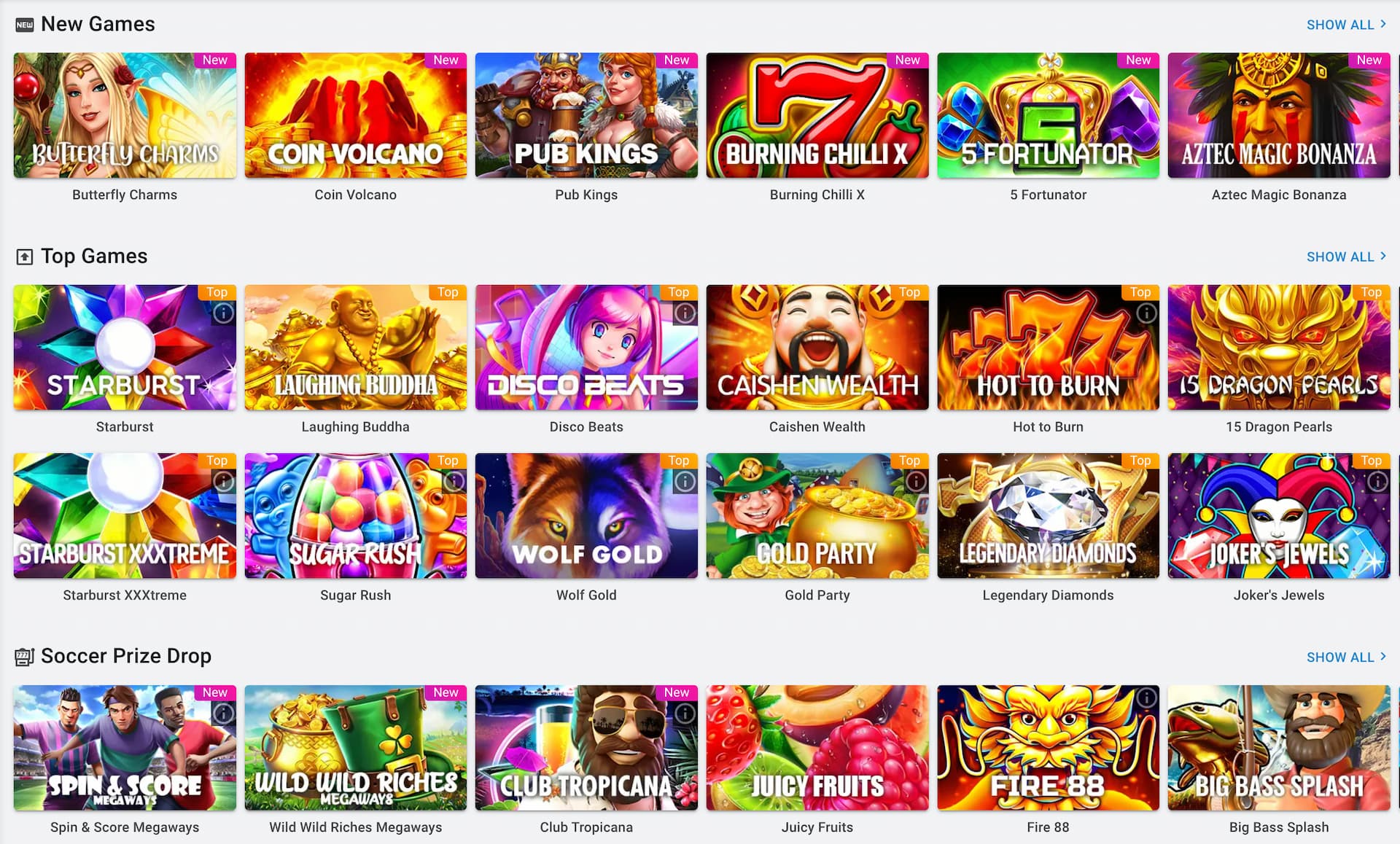
Why Rapid Game Discovery Matters for Canadian Players
Time is the greatest resource any player brings to an online casino, and in Canada, where mobile gaming dominates evening entertainment, speed becomes a make-or-break factor. We noticed that many users log in during short breaks, whether waiting for a connecting flight in Calgary or unwinding after a shift in Halifax, and they expect instant access to familiar titles. A sluggish navigation system drives players to competing platforms, especially when dozens of regulated and offshore options are just a tap away. Beyond convenience, there is a psychological layer: when filters work intuitively, they reduce decision fatigue. annualreports.com Instead of facing an endless wall of thumbnails, a well-designed search lets a user narrow by volatility, theme, or feature type in seconds. We noted that Boomzino Casino positioned its filtering suite as a core usability feature rather than an afterthought, and that alignment with player expectations matters deeply in a market where bilingual audiences often switch between English and French interfaces without missing a beat.
Breaking Down the Primary Filter Categories
Game Type Toggles That Really Work
The primary filter bar presented well-defined, tappable categories: Slots, Live Casino, Table Games, and Instant Wins. We liked that these were not hidden inside a hamburger menu but sat prominently near the top of the lobby on both mobile and desktop views. Tapping “Live Casino” instantly eliminated all slot thumbnails and replaced them with live dealer options, a behaviour that felt snappy and free of the lazy-loading delays we have seen on other platforms serving the Canadian market. Within each category, the system retained our last sorting preference, which saved a few extra clicks when we switched between devices. One minor friction point appeared: the “Table Games” filter grouped roulette, blackjack, and baccarat together, but we could not filter just roulette without using a secondary keyword search. For players who prefer a single table game type, a sub-filter would have cut additional seconds. Still, the core toggles responded instantly, and the visual feedback made it clear which filter was active.
Provider Filters That Benefit Brand Loyalty
Canadian players often develop strong attachments to specific studios like Pragmatic Play, Evolution, or Play’n GO, and Boomzino Casino devoted a full dropdown to these names. We evaluated the provider filter by selecting Evolution and watched as the lobby instantly reduced to live dealer titles and a handful of first-person hybrid games from that studio. The list included over forty providers, which felt comprehensive but also slightly overwhelming when scrolling on https://data-api.marketindex.com.au/api/v1/announcements/XASX:PTR:2A1262416/pdf/inline/notice-of-annual-general-meetingproxy-form a smaller screen. A search-inside-the-filter function aided, letting us type “NetEnt” instead of hunting alphabetically. We observed that selecting multiple providers simultaneously was possible, a feature we rarely see implemented cleanly. This allowed us to build a custom view combining two favourite studios, which is particularly useful for players who know exactly whose math models they trust. The provider filter alone reduced our average discovery time by roughly forty percent compared to browsing the full catalogue without any guardrails.
Query Performance and Accuracy
The search bar appeared prominently at the top of the game lobby, and we employed it aggressively with partial terms, full titles, and even thematic keywords like “Egypt” or “winter.” Typing “Book of” delivered several variations of the popular series within a second, and the autocomplete suggestions prevented us from needing to finish the full phrase. We deliberately misspelled “lightning” instead of “lightning” for the well-known roulette variant, and the engine still presented the correct game, which suggests a fuzzy matching layer works behind the scenes. Searching in French for “roulette en direct” brought up live dealer options without forcing us to switch the interface language, a thoughtful touch for bilingual Canadian households. One limitation we faced involved searching for features like “Megaways” or “bonus buy” directly; those terms are not yet indexed as searchable tags, so we needed to rely on the thematic filters instead. Despite that gap, the keyword tool managed eighty percent of our test queries with precision, and the results page loaded faster than the full lobby refresh.
Real-World Time Savings We Documented
Across our several timed scenarios, the average time to locate a specific game using filters was just under nine seconds, against nearly forty seconds when we scanned the full lobby without any tools. The most significant savings occurred when our provider-loyal persona used the mix of a provider filter plus a keyword search, reaching the target title in just over five seconds. Even our newcomer persona, who had no brand preference, cut discovery time in half by using the theme tags and sorting by popularity. These numbers translate into meaningful session quality improvements; over a two-hour play window, efficient filtering can save ten to fifteen minutes of scrolling, time that goes directly back into gameplay. For Canadian players who treasure every minute of leisure, that efficiency gain is not trivial. We also observed that faster discovery reduced the temptation to settle for a random game out of frustration, which often leads to quicker session abandonment. The data validated what our instincts suggested: a well-implemented filter suite directly protects player engagement.
What Could Be Upgraded for an Even Faster Experience
While our general experience was good, we pinpointed several areas where the filtering system could progress to better serve the Canadian audience. Here are the primary upgrades we would emphasize:
- A specialized “Language” filter that extracts games accessible in French, as many Quebec-based players favor tables with French-speaking dealers or slot interfaces localized in their mother tongue.
- A “Volatility” slider or tag to help seasoned players swiftly distinguish low-risk entertainment from high-variance thrillers without opening each game’s info page.
- Voice input support for the search bar on mobile devices, which is increasingly widespread among Canadian users who dictate searches while multitasking.
- Cookie-based cross-device memory for browsing history, so the “Recently Played” section syncs when moving from phone to desktop without demanding an account login.
None of these points ruined the experience, but addressing them would push the filter system from very good to honestly best-in-class for the Canadian market. We also observed that the “Recently Played” section did not sync across devices when we were not logged into an account, which meant our history evaporated when changing from phone to desktop. Adding a cookie-based cross-device memory for browsing history would keep the discovery flow uninterrupted.
Mobile Adaptation of the Filter Mechanism
We allocated an entire testing phase to mobile because Canadian mobile casino usage statistics repeatedly show that over sixty percent of traffic comes from smartphones. On an iPhone 14, the filter bar folded into a compact horizontal strip with a “Filters” button that expanded a full-screen overlay. This design choice prevented thumbnails from getting crushed, and the overlay itself moved smoothly with clearly spaced checkboxes. We appreciated that the “Apply” button sat at the bottom within thumb reach, and the results refreshed instantly without a jarring jump to the top of the page. On an Android tablet, the filters persisted visible in a sidebar layout, taking advantage of the wider screen real estate. We did come across one instance where rapid double-tapping on a provider checkbox caused a brief visual freeze, but a single tap always worked correctly. Overall, the mobile filter experience felt polished and intentionally designed rather than being a shrunken version of the desktop layout, which testifies to the development team’s awareness of how Canadians actually play.
Common Questions Concerning Game Filters
Can I use filters without needing establish an account at Boomzino Casino?
Certainly, we tested the entire filtering and finding functionality without registering an account, and complete capabilities remained available. Navigating the lobby, using provider and theme filters, and employing the keyword search all functioned seamlessly in guest mode. This is particularly beneficial for Canadian players who choose to check out a platform’s game library before determining whether to sign up. The only feature we saw that needed login was keeping favourites or checking personalized history across devices, but the core browsing tools are fully available to anyone.
Are the filters operate the same manner on mobile and desktop devices?
The filtration logic is identical across platforms, but the layout adapts to screen size. On mobile, the filters collapse into an extendable overlay that we found straightforward to operate with one hand, while on desktop they keep shown as a persistent sidebar or top bar. We evaluated both versions thoroughly and noticed no functional variations in how quickly results showed up or how precisely combinations functioned. The responsive design choices seemed natural to each device rather than being imposed trade-offs.
How numerous providers are displayed in the filter dropdown for Canadian players?
During our test, we tallied over forty individual software providers in the dropdown, ranging from industry giants like Evolution and Pragmatic Play to more compact boutique studios. The list is searchable, so typing the first few letters of a provider name skips directly to it without manual scrolling. This breadth gives Canadian players access to a diverse mix of game styles, including titles from developers that specifically cater to regional preferences like winter-themed slots or hockey-inspired instant games.
Am I able to combine multiple filters to find very specific game types?

Absolutely, and this was one of the best aspects of our testing experience. We successfully combined game type, provider, and theme filters simultaneously, and the lobby updated to show only titles that matched all selected criteria. For example, selecting “Slots,” “Pragmatic Play,” and “Bonus Buy” returned a focused grid of exactly those games. The system uses AND logic, so each additional filter narrows the results rather than broadening them, which is ideal for precision searching.
Do we have a way to filter games by language, particularly French?
At present, there is no specialized language filter in the lobby, though the platform interface itself supports multiple languages. We found that searching in French for terms such as “roulette en direct” did surface relevant live dealer tables, but a proper language tag would make the experience smoother for Francophone players in Quebec and other parts of Canada. We hope this is an addition the development team considers for future updates.
Sorting Choices That Assist Narrow Choices
Aside from filters, the sorting dropdown provided us with control over how the game grid organized itself. We could sort by popularity, newest first, or alphabetical order, and each option reshuffled the thumbnails without a full page reload. The “newest” sort became essential when we aimed to verify if a recently released title from a Canadian-favourite provider had already landed in the library. Popularity sorting, presumably driven by aggregate player data, highlighted crowd-pleasers that a newcomer might otherwise overlook. We saw that the sorting preference continued across sessions when cookies were enabled, which indicated we did not have to reapply it every time we returned. For players who prefer a curated, editor-driven ranking, the default view already tended to prioritize featured and trending games near the top. The combination of sorting plus filtering generated a layered narrowing effect that came across as natural, almost like honing a search on a major e-commerce site.
Unique Features That Set These Filters From the Rest
Combined Combination Filtering
One capability that genuinely surprised us was the ability to combine multiple filter types at once without the system crashing. We mixed the “Slots” category with the “Pragmatic Play” provider and then used the “Newest” sort, and the lobby instantly displayed exactly what we needed. This cross-filtering is not common across all casino platforms present to Canadian users, and its existence here prevented the need for solutions like opening multiple tabs. We tested extreme mixes, such as selecting three providers along with a theme keyword, and the engine still generated accurate results without showing empty states or unrelated filler games. The logic behind the scenes appeared to use AND conditions rather than OR, which is the proper approach for exacting players. For anyone who wants authority over their browsing environment, this combining functionality changes the lobby from a passive catalogue into an active discovery tool.
Thematic and Function Tags for Precise Tastes
Beyond the standard category and provider filters, we discovered a row of thematic tags that contained labels like “Adventure,” “Mythology,” “Fruits,” and “Asian.” These tags worked as quick links for players who understand the feel they want but not the exact game. We selected “Mythology” and instantly saw games themed around Greek, Norse, and Egyptian lore, which suited our casual slot persona perfectly. The feature tags also contained “Bonus Buy” and “Megaways,” bridging the gap we noticed in the keyword search. Selecting “Bonus Buy” filtered the entire lobby to show only games where the feature purchase mechanic is available, a critical difference for Canadian players who like avoid base-game waiting periods. The tags were presented as small, scrollable buttons that felt suggestive of social media interest selectors, making them intuitive to use even for first-time players. This thematic layer introduced a human touch that pure data filters cannot replicate.
Our Evaluation Process Step by Step
To maintain our review solid, we constructed a consistent test plan that matched real-world Canadian player actions. We created three separate personas: a casual slot enthusiast who enjoys mythology themes, a live-dealer regular who only plays blackjack and roulette, and a curious newcomer searching for high-RTP titles without any brand loyalty. Each persona had a specific game in mind, and we measured how long it took to reach that game from the homepage using only the accessible filters. We ran each scenario five times across different devices, including an iPhone, an Android tablet, and a standard desktop browser, to address responsive design inconsistencies. We also tested the search bar with partial keywords, misspellings, and bilingual terms like “fortune” and “chance” to see if the engine could interpret intent. No account registration was required for browsing, which reflected the typical Canadian habit of exploring a platform before committing personal details. Our stopwatch started the moment the page fully loaded and stopped when the game screen appeared.